

Nepal is not just a country; it is a feeling. When you go there, mountains greet you with cold winds, rivers sing, and villages smile with simple lives. Trekking in Nepal is not just walking; it is living. People come from everywhere, from city noise, from busy life, looking for something real. Something in the mountains, something that touches the heart. And Nepal, it gives more than expected. From Annapurna to Nar Phu, every trek is like a story. Every step, a memory. Here we talk about four journeys, four treks that capture the soul of mountains.
Annapurna Base Camp Trek – The Classic Adventure
Annapurna Base Camp Trek is, for many, the first love. It is famous because it gives everything in one trail. Snow-capped peaks, green forests, rivers, waterfalls, villages, and culture. You start from Pokhara, a small town but full of charm. The trail goes up, down, small steps, and big steps. You walk through rice terraces, meet Gurung people, and see their houses made of stone and wood.
The air changes as you go higher. Rhododendrons, bright flowers, the smell of forest, birds singing. Every morning, the sun rises and hits Annapurna South and Machapuchare, and you stop, take a photo, or maybe just breathe. Tea houses along the way are simple, and the food is simple but warm. You feel welcome, like you are part of something bigger. Nights are cold, but stars, oh the stars, they never forget.
At base camp, it is quiet. Huge mountains, glaciers, snow, and you, small and amazed. People sit, look, and sometimes cry. Some feel proud, some feel humble. The Annapurna Base Camp Trek teaches patience, strength, and love for nature. Not too crowded in the early season, but in October and November, there are many people, but still it is beautiful.
Langtang Valley Trek—Close to Nature and Culture
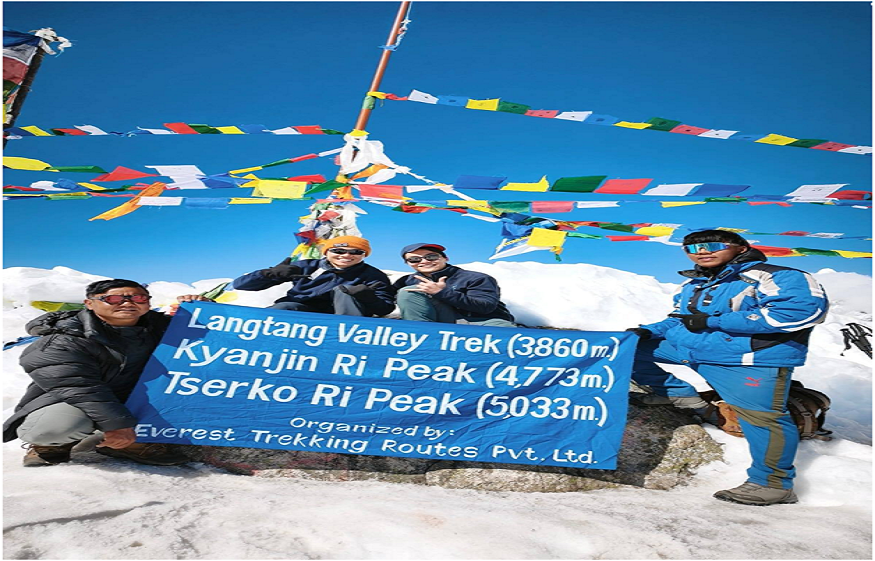
Langtang Valley Trek is a different world. Fewer tourists than Annapurna, more peaceful. From Kathmandu, it’s a short drive to Syabrubesi, a village by the river, surrounded by hills. The trail starts gentle, forest, monkeys jumping, birds everywhere. The path goes up slowly; you hear the river and see waterfalls. Villages are small, houses have prayer flags, and people smile and greet you.
Langtang is special because culture is everywhere. Tamang people, Buddhist monasteries, mani walls, and prayer flags. You walk slowly, sometimes stop, listen, and see cows, yaks, and children playing. Valley opens, snow peaks show, glaciers shine. Kyanjin Gompa, a monastery in a high place, you reach it and feel calm. There’s a cheese factory there; the local cheese tastes fresh and strong.
The trek is moderate, not too difficult, and good for beginners. The best time is spring for rhododendrons and autumn for clear sky. Langtang teaches respect for nature, life, and mountains. People come and forget time, forget phones, and forget worries. Walk, breathe, smile.
Manaslu Circuit Trek—The Untouched Beauty
Manaslu Circuit Trek is for adventurers. It is long, it is remote, but it is worth every step. Manaslu, the eighth highest mountain in the world, stands tall and proud. The circuit trek goes around it, through villages, rivers, forests, and pastures. Trails are sometimes steep, landslides happen, and you feel alive.
Larke Pass, the highest point, at 5,160 meters, is feared by many people. But when you reach it, the views are mind-blowing. Snow, peaks, clouds, rivers below, tiny villages. People there are fewer tourists and more traditional life. You see Buddhist stupas, prayer wheels, and houses made of stone. Food is simple: dal bhat, noodles, and sometimes yak meat. Warm tea, warm heart.
The Manaslu Circuit is not crowded, even in peak season. You meet few trekkers, sometimes only local people. Trek is challenging, yes, but it gives real experience. Mountains, glaciers, forests, culture, and people—it all comes together. You walk slowly, feeling every step, every breath.
Nar Phu Valley Trek—Secret Himalayan Wonderland
Nar Phu Valley Trek : this one is a secret, hidden jewel. People go, but few. Remote valley, old villages, traditional life unchanged for centuries. The trek starts from Kagbeni; you enter the valley, mountains surround you, and there is silence everywhere. Village of Nar, Phu, simple houses, stone walls, animals grazing. People are friendly but shy, with old customs and old language.
Landscape changes every day. Dry valley, arid, rocky, then river, green patches, forests, and snow peaks appear slowly. Annapurna range on one side, Nilgiri, and Gangapurna. You feel small, very small. Nights cold, tea house simple, bed warm, food hot. Stars are like diamonds, and the moon looks close.
Nar Phu teaches patience and humility. You walk slowly; mountains teach you, and people teach you. No hurry, no noise. Just nature, silence, and soul. Best time: October-November, April-May. You need a permit; trekking is restricted but worth it. Secret valley, secret peace.
Why Trekking in Nepal Feels Different
Nepal trekking is not just walking. It is feeling mountains, rivers, and skies. Trails, villages, culture, people—everything makes the journey special. In Annapurna, it is classic, easy to access, and has many options. Langtang is calm, cultural, and close to Kathmandu. Manaslu, remote, challenging, untouched beauty. Nar Phu, secret, mystical, pure Himalayan soul.
You meet people, smile, share food, and sometimes, despite the language barrier, still connect. Tea houses, small meals, sometimes electricity not working, but warmth is everywhere. Trails are not always smooth; there are some landslides, some rain, and sometimes cold winds, but every challenge gives a memory, and every struggle gives a story.
Mountains teach respect. Every trek, you learn something about yourself. Strength, patience, and simplicity. People forget stress; mountains remind them what is real. Rivers, forests, glaciers, peaks, stars, and sky, all together, touch the heart.
Best Time and Preparations
For trekking in Nepal, the best times are autumn and spring. October, November, April, and May. The sky is clear, the mountains are visible, and the weather is moderate. Winter cold, some trails blocked by snow. Summer, monsoon, landslides, rain, slippery paths.
Gear is simple but important. Good boots, warm clothes, a down jacket, gloves, a hat, and sunglasses. Trekking poles, water bottles, and a camera. Light backpack, essential things only. Maps, guidebooks, and local guides. The local guide makes everything easy, explains culture and history, and helps with food and accommodation.
Health is important. Altitude sickness can happen. Drink water, rest, walk slowly, and listen to your body. Respect mountains, respect local people, and follow trails. Trekking is adventure, but safety first.
Food and Accommodation
Tea houses are everywhere. Rooms are simple, sometimes with a shared toilet and sometimes with a hot shower for extra. Food is basic but tasty. Dal bhat, noodles, momo, bread, and eggs. Hot tea, hot chocolate, and soup. You feel full, and you feel warm. Food gives energy for long walks.
In Nar Phu or Manaslu, tea houses are less frequent, so plan carefully. Langtang and Annapurna have more options, bigger villages, and more food choices. Local people, who are very friendly, help travelers. Smiles, stories, hospitality. It is not luxury; it is warmth.
Culture and Local Experience
Nepal trekking is more than mountains. Culture everywhere. Buddhist stupas, prayer flags, monasteries, and mani walls. People, different communities, and Gurung, Tamang, and Tibetan influences. Festivals, rituals, songs, smiles. You walk, see children playing, cows grazing, monks chanting, and people working in fields.
In Nar Phu, ancient traditions. In Manaslu, old villages. Annapurna, a mix of modern and traditional. Langtang is peaceful and cultural. You eat, sleep, and walk; you feel part of life, not a visitor only. Trekking connects you to mountains, nature, and people.
The Emotional Journey
Every trek, you feel different. First step, excitement. Middle, struggle, fatigue, joy. Last days, reflection, pride. Base camps, high passes, secret valleys—you feel small, humble, amazed. Photos, yes, but memory and soul stay forever. Mountains teach you silence, patience, and gratitude.
Nepal trekking is life-changing. You walk, but also you think, reflect, sometimes cry, and sometimes laugh. People you meet, friends you make, and stories shared are forever in your heart.
Conclusion – Nepal Captures the Soul
Nepal is not just mountains, not just trekking. It is soul. Annapurna Base Camp, Langtang Valley, Manaslu Circuit, and Nar Phu Valley—every trek is different, every trek is magical. You walk, you live, you feel. Mountains, rivers, villages, culture, people, stars, sky—all together, touching heart.
If you want adventure, if you want peace, if you want to feel small and big at the same time, Nepal trekking is the answer. Prepare well, walk slowly, respect mountains, and respect people. Nepal waits with open arms; mountains whisper stories, and valleys smile. Your heart, your soul—they never forget.
Contact Details
Company address: Everest Trekking Routes Pvt. Ltd.
16 Khumbu, Nayabazaar, Kathmandu, Nepal
Mobile: +977-9843467921 (Rabin)
Email: info@everesttrekkingroutes.com
URL:– www.everesttrekkingroutes.com